DragonSword: Awakening Lute Build Guide
Quick answer
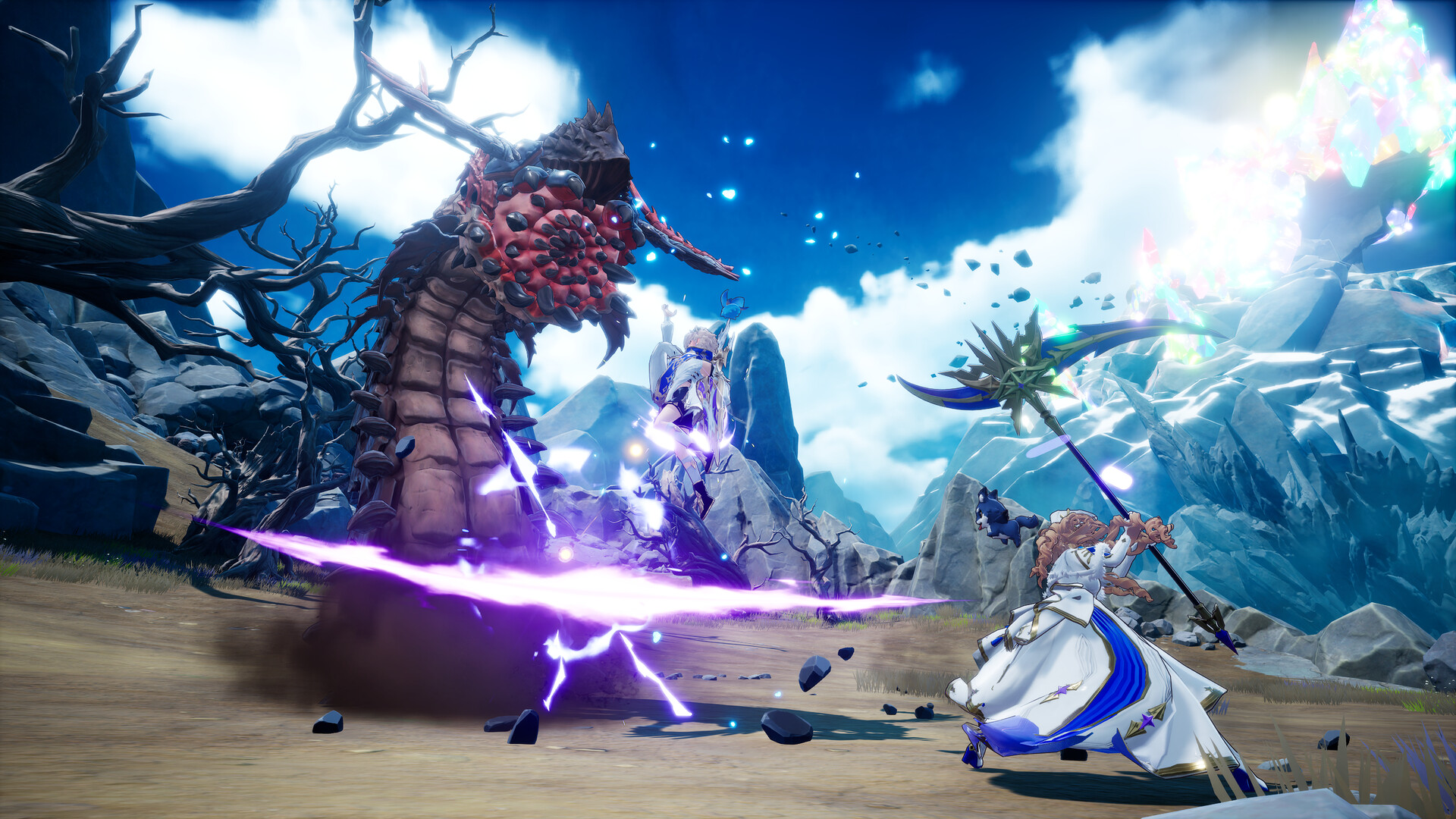
Lute is DragonSword: Awakening's protagonist and a genuinely viable setup hero throughout the game. He applies both Stun and Down, covering two physical ailments, and Relic Fall gives him consistent area damage. Most players bench him too early — he remains an A-tier pick and is available from the first hour.
Updated · Verified on Patch 1.0.x · Sources: in-game testing, Steam store page, Hound13 announcements
Protagonists in this genre have a reputation for being benched by hour twenty. Lute is an exception, and understanding why explains a lot about how DragonSword: Awakening's combat is designed.
Lute at a glance in DragonSword: Awakening
| Property | Detail |
|---|---|
| Element | Physical |
| Role | Setup |
| Applies | Stun, Down (Knockdown) |
| Signature | Relic Fall — powerful area damage |
| Availability | From the start of the game |
| Tier | A — S in the early story |
| Data status | Verified on patch 1.0.x |
Why two ailments matter more than they look
Most heroes apply one ailment. Lute applies Stun and Down, and both are physical ailments, which is the family that takes actions away from the enemy rather than adding damage over time.
Stun interrupts the enemy's current attack and immobilises them for roughly 2–4 seconds. Against a boss mid-pattern, that is an interrupt, not just a debuff.
Down puts the target on the ground, which specifically enables Shock — Sion's Shock punishes downed targets. Lute and Sion together turn an ordinary support hero into a strong one.
Covering two physical ailments from one slot means Lute frees your other two slots for break and burst, which is exactly the flexibility a three-slot team wants. See status ailments.
Rotations Lute anchors
Ground and punish: Lute (Stun/Down) → Sion (Shock) → Eileen (Airborne). Lute's Knockdown is what makes Sion's Shock worth running. Excellent against field packs.
Burn stack (the forgiving rotation): Lute (Stun) → Kalsion (Burn stacking) → Castella (Break). Stun buys 2–4 seconds of guaranteed uptime, which is precisely what a Burn stacker needs. This is the best rotation to learn tag timing on — see tag combos.
Story clearing: Relic Fall handles groups efficiently. For the first twenty hours, Lute plus whatever the story has given you is a perfectly good DragonSword: Awakening team.
Karma and gear
Karma: Physical element. As always, matching the hero's element is mandatory or part of the card's benefit does nothing. Lute is a good first candidate for a matching Basic Karma simply because you have him from hour one and will use him throughout.
Gear: Ailment Buildup Rate. Lute is a setup hero, so Buildup Rate is his priority affix — it determines whether Stun lands in one skill cast or two. Do not gear him as a damage dealer despite Relic Fall's damage; his job is opening chains. See upgrade priority.
When to bench him
Honestly, there is a point. Lute's ceiling is lower than Cerese's as a setup hero, because Freeze's 3–5 second full lock is a wider window than Stun's 2–4 second interrupt.
Once you have Cerese, unlocked the Tower of Trials, and are pushing higher floors where you need the maximum-length break window, Cerese generally takes the setup slot.
But keep Lute available. Against enemies that resist Freeze, his physical ailments are what your team falls back on. A roster with only elemental setup stalls, which is exactly the consistency problem the team builder flags.
Common mistakes with Lute
Four recurring errors in DragonSword: Awakening teams built around him:
- Benching him the moment a flashier hero arrives. He is A-tier, not a tutorial character.
- Gearing him for damage because Relic Fall hits hard. He is setup; Buildup Rate first.
- Not pairing his Down with Shock. Sion's value depends on a Knockdown partner, and Lute is the most available one.
- Running him alongside Cerese as double setup without a break hero. Two setup heroes and no break is a broken chain.
Lute in co-op
Lute travels well into Hunts and Raids, because physical ailments that remove enemy actions benefit every player on the target rather than only you.
FAQ
Is Lute good in DragonSword: Awakening?
Yes. Lute is an A-tier setup hero who applies both Stun and Down, and he remains viable well past the early game.
What ailments does Lute apply?
Stun, which interrupts and immobilises for roughly 2–4 seconds, and Down (Knockdown), which puts the target on the ground.
Should I replace Lute with Cerese?
Eventually, for maximum-length break windows. Keep Lute available for enemies that resist Freeze, since his ailments are physical rather than elemental.
What is Relic Fall?
Lute's powerful area-of-effect attack, and the main reason he clears field packs efficiently throughout the story.
What is the best team for Lute?
Lute as setup, Kalsion stacking Burn, and Castella for Break is the most forgiving rotation in the game and a good one to learn timing on.